
Skip to content
Home » 11 Critical Factors to Consider When Choosing an Industrial Racking System in the UAE

11 Critical Factors to Consider When Choosing an Industrial Racking System in the UAE

Selecting the right industrial racking system is one of the most crucial decisions UAE warehouse managers and business owners will make. With Dubai’s rapid logistics growth and Abu Dhabi’s expanding industrial sector, choosing equipment that can withstand local conditions while maximizing efficiency is paramount. After installing over 500+ systems across the UAE, our engineering team at Signature Racking Systems has identified 11 critical factors that separate optimal investments from costly mistakes.

1. Vertical Space Utilization

Dubai’s high ceilings are valuable real estate. The average warehouse can increase storage capacity by 40-60% through proper vertical utilization. Consider:

  • Clear vertical height measurements

  • Mezzanine floor compatibility

  • Stacking capabilities without compromising stability

2. Seismic and Climate Considerations

The UAE’s unique environmental factors demand special attention:

  • High humidity levels in coastal areas require corrosion-resistant coatings

  • Sand and dust protection for moving parts

  • Thermal expansion considerations for non-climate-controlled facilities

3. Load Capacity Requirements

UAE industries handle diverse loads:

  • Automotive parts: 800-1500 kg per pallet position

  • FMCG goods: 600-1200 kg capacity needs

  • Industrial materials: Up to 3000 kg requirements
4. Forklift Compatibility

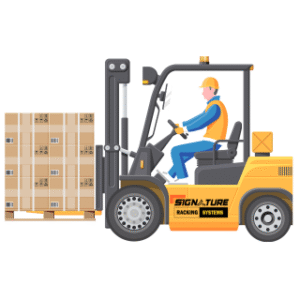
Ensure your equipment matches racking specifications:

  • UAE standard forklift dimensions and turning radii

  • Reach truck capabilities for narrow aisles

  • Load moment indicators for safety compliance
5. Future Expansion Capability

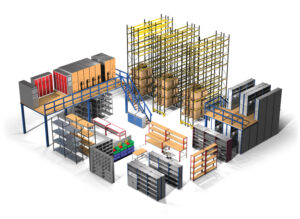
With the UAE’s rapid growth, systems must accommodate:

  • Modular expansion capabilities

  • Reconfigurable components

  • Scalable design without complete overhaul

6. Local Regulatory Compliance

Meet UAE-specific requirements:

  • Civil Defence regulations for aisle widths

  • ESMA standards for equipment safety

  • Free zone-specific requirements

7. Inventory Turnover Rates

Match systems to operational tempo:

  • FIFO systems for fast-moving consumer goods

  • LIFO configurations for slower inventory

  • Hybrid approaches for seasonal variations

8. Maintenance Accessibility

Consider UAE’s maintenance landscape:

  • Local spare parts availability

  • Dust accumulation management

  • Accessibility for routine inspections

9. Technology Integration

Prepare for Industry 4.0 adoption:

  • RFID compatibility

  • Automation readiness

  • Data collection points integration

10. Total Cost of Ownership

Beyond initial price consider:

  • Installation costs (20-30% of project total)

  • Maintenance expenses (3-5% annually)

  • Reconfiguration costs over 10-year lifespan

11. Supplier Local Presence

Ensure reliable support:

  • Local technical team availability

  • Emergency response capabilities

  • UAE-specific project experience

Why UAE Companies Choose Signature Racking Systems

With projects spanning from Jebel Ali to Khalifa Industrial Zone, we understand the unique challenges of UAE logistics environments. Our approach combines German engineering standards with local operational knowledge to deliver systems that withstand the test of time and temperature.